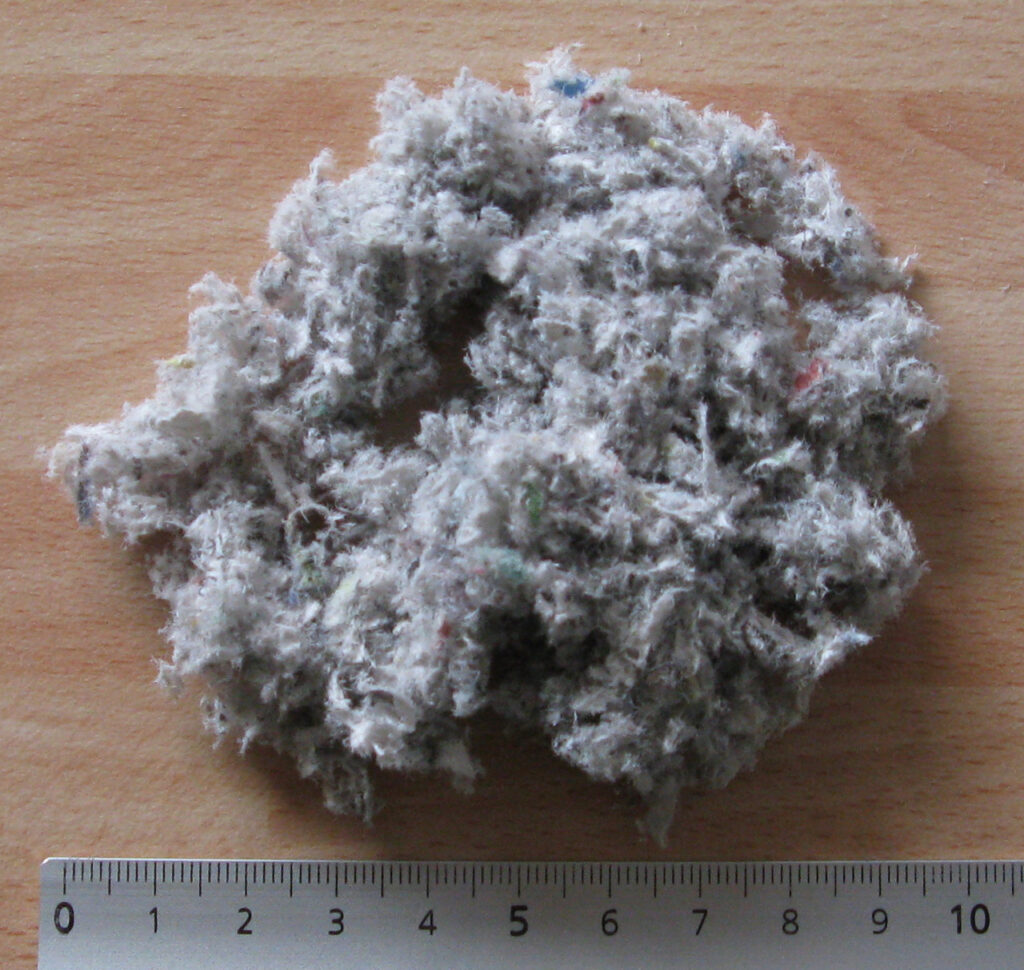
Quick answer: Neither blown cellulose nor blown fiberglass is the best choice for every existing attic. Compare bids at the same specified R-value, then check each product’s required depth, coverage and installed weight. In the manufacturer examples below, cellulose needs less depth but adds more weight; fiberglass needs more depth but is lighter. Both require proper preparation and installation—not just an attractive price per bag. This guide covers U.S. vented attics insulated at the ceiling, not roof-deck insulation systems. (greenfiber.com)
1. Start with the attic’s condition and target R-value
Before choosing a material, ask what the project must accomplish: bring the total insulation to a target R-value, or install a specified R-value of new insulation. Those are different scopes. R-value measures resistance to heat flow; comparing equal R-values is more useful than comparing equal inches. The appropriate target depends on the home and climate. (consumer.ftc.gov)
Have the assessor or bidder document:
- The area being insulated.
- Existing insulation type, depth, condition and estimated R-value.
- Areas with missing or uneven coverage.
- The proposed total R-value and the contribution expected from new material.
Treat the old insulation’s contribution as an estimate unless reliable product information is available. Compression and installation conditions affect performance, and insulation R-value is not the same as whole-ceiling performance: heat can also travel through framing. (energystar.gov)
Pause the project for professional evaluation if there is wet insulation, roof leakage, deteriorated framing, problematic wiring or exhaust fans discharging into the attic. Suspected vermiculite insulation also needs specialist assessment before disturbance. Changing from cellulose to fiberglass does not resolve these underlying conditions. (energystar.gov)
2. Understand installed depth, settled thickness and coverage
A loose-fill coverage chart is an installation specification, not simply a shopping calculator. Depending on the product, it identifies initial installed thickness, minimum settled thickness, maximum coverage per bag, minimum bags per area and minimum weight per square foot. (greenfiber.com)
Initial thickness is the depth required when installed. Settled thickness is the thickness associated with the stated performance after expected settling. Greenfiber’s example chart gives different initial and settled depths for loose-fill cellulose. Owens Corning’s example gives identical depths and describes AttiCat as having virtually no settling. These are product-specific statements—not universal specifications for every cellulose or fiberglass product. (greenfiber.com)
Depth alone is not enough. Insulation can appear sufficiently deep while containing too little material, a problem known as “fluffing.” DOE-funded Building America guidance recommends manufacturer-specified density and even installation without voids. (basc.pnnl.gov)
Ask bidders to identify the exact chart they will follow, including its revision and application. An open-attic loose-fill chart is not interchangeable with a wall dense-pack chart.
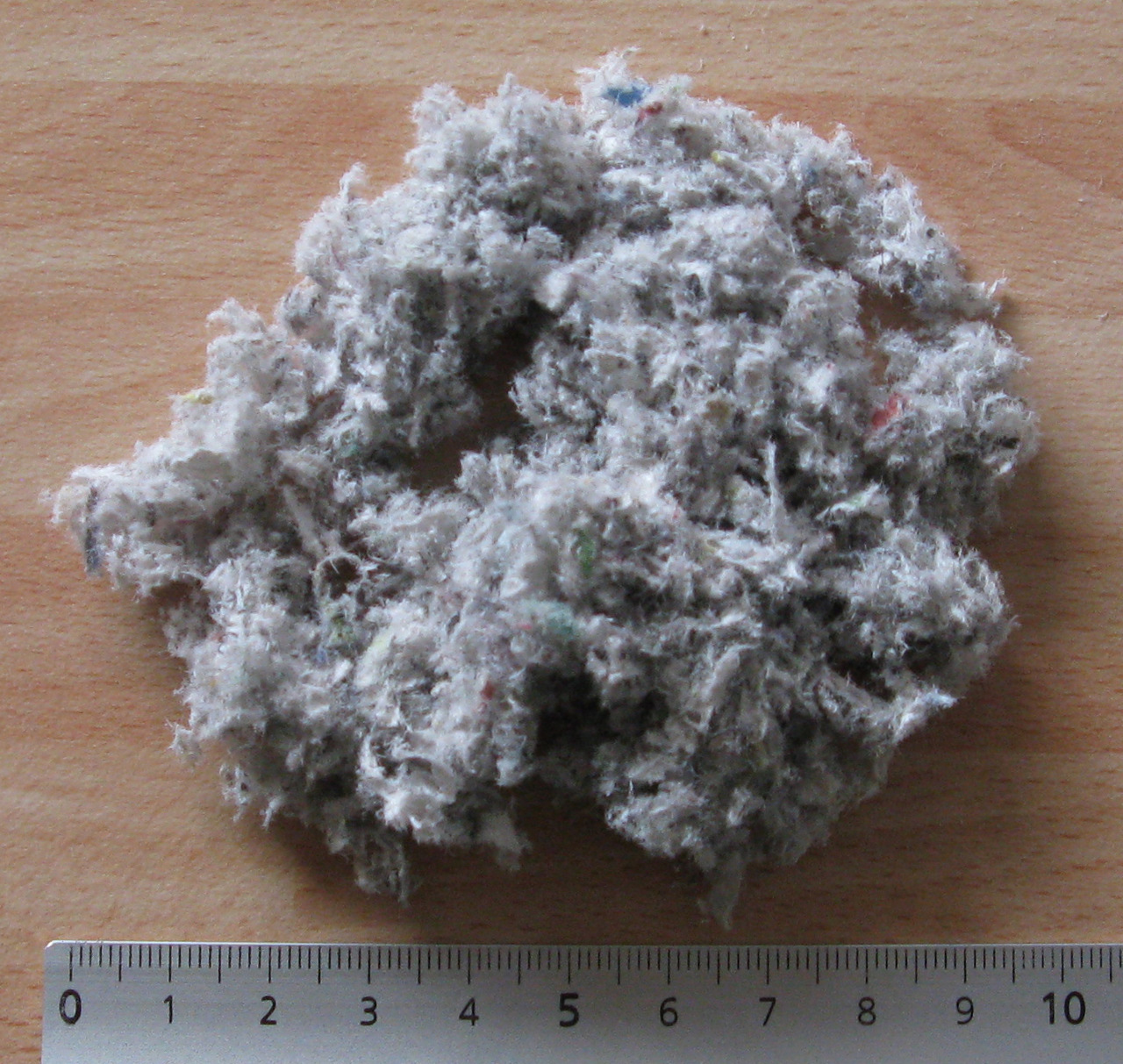

3. Worked example: compare two products at R-49
The following comparison uses published product specifications, not generic material averages. R-49 is an illustrative comparison point, not a recommendation for every home. Cellulose figures use the chart’s loose-fill thickness and coverage without framing adjustment; fiberglass figures use the manufacturer’s standard table, excluding its separate Minnesota additions. (greenfiber.com)
| Published specification at R-49 | Greenfiber SANCTUARY cellulose | Owens Corning AttiCat fiberglass |
|---|---|---|
| Minimum initial installed thickness | 14.3 inches | 17 inches |
| Minimum settled thickness | 13.3 inches | 17 inches |
| Maximum net coverage per bag | 14.1 square feet | 39.9 square feet |
| Minimum bags per 1,000 square feet | 70.8 | 25 |
| Minimum installed weight | 1.77 lb/sq. ft. | 0.688 lb/sq. ft. |
Sources: SANCTUARY Attic Card, Rev K, May 2026; AttiCat U.S. product-page technical table, checked November 25, 2026. Confirm the specifications for the product actually supplied. (greenfiber.com)
For a hypothetical 1,000-square-foot area receiving a full new R-49 layer, the chart weights imply approximately:
- Cellulose: 1,000 × 1.77 = 1,770 pounds.
- Fiberglass: 1,000 × 0.688 = 688 pounds.
These are calculated insulation loads, not structural approvals. They exclude existing insulation and other attic loads.
The useful trade-off is clear: this cellulose product occupies less depth, while this fiberglass product adds less weight. Neither bag count nor depth establishes which installed project costs less. Different bags cover different areas, and preparation remains part of the job.
Do not use these full-layer quantities as a top-up estimate. A retrofit retaining existing insulation needs a separately documented calculation.
4. Check weight and the existing insulation before topping up
ENERGY STAR explains that new insulation does not have to match the existing material. A mixed-material attic is therefore not automatically a reason for removal. But “can be added over” does not mean “can be added without assessment.” (energystar.gov)
Ask the contractor to explain how the proposal accounts for:
- The condition and distribution of the retained insulation.
- Compression of a lighter existing layer.
- The ceiling’s ability to support the combined load.
- Any removal needed to expose defects or complete preparation.
Federal insulation guidance notes that denser material placed over lighter, easily compressed insulation can reduce the lower layer’s thickness and R-value. Avoid accepting an unexplained calculation that simply adds an optimistic old R-value to a new one. (energystar.gov)
Building America’s loose-fill guidance also identifies weight as a meaningful difference between materials. Its generic structural examples draw on older DOE information; they are not a substitute for checking your ceiling’s construction and condition. (basc.pnnl.gov)
If there is sagging, damaged ceiling material or uncertainty about support, request evaluation by an appropriately qualified professional before approving added load.
5. Make air sealing, eaves and access part of either bid
Blown insulation is not a substitute for sealing openings through the ceiling. DOE-funded guidance calls for establishing the ceiling air barrier before adding insulation and addressing combustion safety, indoor-air ventilation and attic ventilation before air-sealing work. (basc.pnnl.gov)
This is especially important in an existing attic: new material can conceal the penetrations and gaps that need attention. Ask for a written air-sealing scope and photographs before those locations are covered.
At the eaves, the contractor must balance insulation coverage with the ventilation pathway. Baffles and wind dams help keep incoming air from displacing insulation and prevent insulation from obstructing soffit ventilation. Limited headroom may also make perimeter work difficult. (basc.pnnl.gov)
Include the access opening in the discussion. Greenfiber’s contractor instructions call for a retaining barrier around the opening, along with preparation and ventilation measures before installation. Ask how the hatch area and any necessary service route will be completed without leaving an uninsulated gap or compressing the new layer. (greenfiber.com)
Have qualified professionals address electrical hazards and required clearances around heat-producing equipment. Do not accept “we will blow over everything” as a complete installation plan. (energystar.gov)
6. Compare complete installed prices, not bag prices
There is no verified local price attached to this comparison. A defensible budget requires quotations for your attic, with location and currency identified.
For U.S. bids, request totals in U.S. dollars and ask each contractor to price the same written scope. Federal insulation guidance recommends obtaining multiple estimates for a stated R-value and describing the job consistently to each contractor. (energystar.gov)
A useful bid-comparison worksheet separates:
| Scope item | What to request |
|---|---|
| Assessment and preparation | Included tasks and unresolved conditions |
| Existing insulation | Retain, redistribute or remove—with reasons |
| Air sealing | Locations, exclusions and verification |
| Ventilation protection | Baffles, dams and restricted eave areas |
| New insulation | Exact product, area and specified R-value |
| Access and completion | Hatch treatment, documentation and cleanup |
Use these as questions, not assumptions that every attic needs every task. Ask bidders to identify allowances and exclusions explicitly.
If one quote includes extensive preparation and another includes only blowing material, the price difference does not isolate the cost of cellulose versus fiberglass. Request comparable alternatives before deciding that one material is the cheaper project.
7. Request these documents before accepting a bid
Turn a broad promise such as “upgrade attic insulation” into a specification you can check. Request:
- Exact manufacturer and product name, with the product fact sheet.
- Applicable coverage chart, matching the product and installation method.
- Measured area, including exclusions and hard-to-reach sections.
- Existing-insulation assessment, explaining the R-value retained in the calculation.
- New and total R-value targets, clearly distinguished.
- Initial and settled thickness requirements, plus the specified coverage or bag quantity.
- Preparation scope, covering air sealing, ventilation protection, clearances and access.
- Completion records, including actual bags used, installed area, depth documentation and photographs.
The FTC advises consumers to obtain R-value information and notes that installers and retailers must provide fact sheets. Difficulty obtaining basic product information is a reason to question the proposal. (consumer.ftc.gov)
For cellulose, make sure the bidder has not substituted the chart’s stabilized-application depth for its loose-fill depth. Greenfiber’s contractor guide requires both minimum material quantity and minimum installed thickness. (greenfiber.com)
For fiberglass, confirm that the installation equipment matches the product requirements. AttiCat, for example, is designed for its specified machine system. (owenscorning.com)
8. Check the finished work—and avoid these shortcuts
Arrange completion checks before work begins. Ask for photographs of prepared areas, depth markers and finished coverage, rather than relying on one photograph taken beside the hatch. Federal guidance recommends attic rulers and records documenting the installed insulation. (energystar.gov)
Common mistakes to avoid include:
- Comparing equal inches: use equal specified R-values instead. (consumer.ftc.gov)
- Approving depth without material quantity: unusually fluffy coverage can conceal under-installation. (basc.pnnl.gov)
- Ignoring thin perimeter areas or blocked vents: consistent coverage and protected airflow both matter. (basc.pnnl.gov)
- Assuming a top-up requires full-layer quantities: establish how much usable insulation is already present. (energystar.gov)
Do not enter an unsafe attic just to inspect the job. ENERGY STAR identifies difficult access, heat and fall hazards among the practical concerns. Request contractor documentation or an independent assessment instead. (energystar.gov)
The buying decision: choose between complete, documented proposals—not material labels alone. Resolve depth, weight, retained insulation and preparation first; then compare the price of delivering the agreed scope.